Artisanal Hand Blown Glass Lighting with Authentic Bubbles
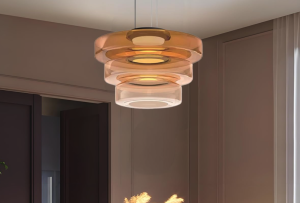
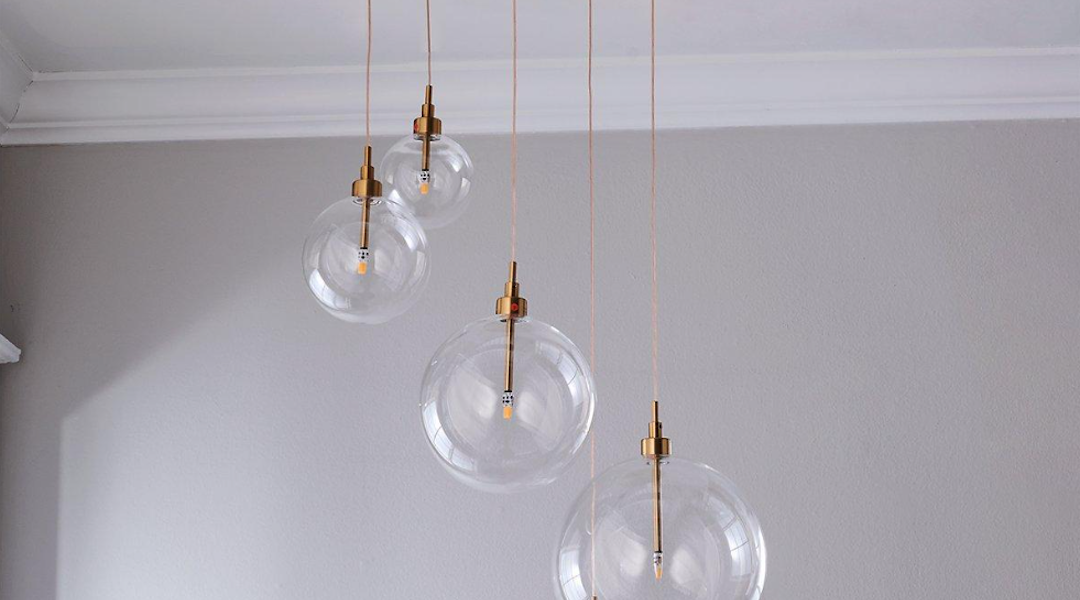
So, you’ve seen it – that gorgeous, organic-looking glass light fixture with those little pockets of air trapped inside. You might be wondering, “Are those real bubbles?” Absolutely! When we talk about artisanal hand-blown glass lighting with “authentic bubbles,” we’re not just talking about a design choice; we’re talking about the very soul of the piece. These aren’t manufactured imperfections. They’re a testament to a time-honored craft and a direct result of the molten glass meeting the air during a skilled blowing process. Let’s dive into what makes these bubbles so special and what you’re really getting when you choose this type of lighting.
When you see those charming little spheres of air suspended within your hand-blown glass light Ahutu, it’s not an accident. It’s a direct consequence of the glassblowing process itself, a technique that’s been perfected over centuries. Understanding how these bubbles form gives you a real appreciation for the artistry involved.
Molten Glass and the Breath of the Maker
The journey begins with molten glass, a viscous, glowing liquid heated to incredibly high temperatures. The glassblower gathers a blob of this molten material onto the end of a blowpipe. This is where the “breath” comes in.
- The Initial Gather: The amount of glass gathered on the pipe influences the initial shape and size of the bubble that will form.
- Blowing the Bubble: The glassblower then gently blows air through the pipe. This creates an initial void within the molten glass, forming the first bubble. The pressure and duration of the breath are carefully controlled.
- Gravity and Momentum: As the glassblower manipulates the pipe, rotating it and shaping it, gravity and the momentum of the molten material play a crucial role.
Trapping the Air: The Art of Control
The bubbles we admire aren’t just the result of the first puff of air. They are often intentionally created and then trapped within the glass as it’s further shaped and cooled.
- Folding and Re-gathering: Sometimes, the glassblower will fold the molten glass in on itself, trapping pockets of air from the surrounding atmosphere. This is a delicate maneuver, requiring precise timing and temperature control.
- Marvering and Rolling: The glass might be rolled on a flat surface called a marver, or rolled against the pipe itself. This action can also press air into the surface of the glass or create indentations where air can be trapped as the glass solidifies.
- Controlled Cooling: The speed at which the glass cools is also a factor. Rapid cooling can sometimes trap smaller bubbles more effectively.
Why Not Perfectly Clear? The Beauty of Imperfection
If the goal was perfectly uniform glass, the process would be different. Artisanal hand-blown glass embraces the subtle variations that come from human touch and the inherent nature of working with such a dynamic material.
- The Signature of the Maker: Each bubble, each slight variation in thickness or curvature, is a signature of the individual artisan who crafted the piece. It’s a mark of authenticity, differentiating it from mass-produced items.
- Light Diffusion and Effect: These authentic bubbles aren’t just visual curiosities; they actively contribute to the quality of light. They refract and scatter light in unique ways, creating a softer, more diffused, and often more flattering illumination than perfectly smooth glass.
The Craftsmanship: More Than Just Blowing
When you invest in artisanal hand-blown glass lighting with authentic bubbles, you’re not just buying a lamp; you’re acquiring a piece of art created through a skill that’s been passed down through generations. This craftsmanship is evident in every curve and every trapped air pocket.
The Glassblower’s Skillset
A skilled glassblower possesses a remarkable combination of physical strength, dexterity, artistic vision, and a deep understanding of materials.
- Physical Demands: Working with molten glass requires considerable strength to manipulate the heavy tools and the glass itself for extended periods. The heat is intense, and maintaining composure and precision under these conditions is a significant feat.
- Fine Motor Control: Despite the large tools and the malleable material, glassblowing demands incredibly fine motor control. A slight tremor or an off-kilter movement can drastically alter the outcome.
- Artistic Intuition: Beyond technical skill, a great glassblower has an artistic intuition. They understand how the glass will behave, how light will interact with it, and how to achieve a desired aesthetic. They’re not just following instructions; they’re creating.
The Importance of Tradition and Heritage
Hand-blown glass techniques are ancient. Many contemporary glassblowers learn from masters who learned from masters, preserving methods that have been refined over centuries.
- Passing Down Knowledge: The transmission of this knowledge is crucial. It’s about understanding the nuances of different glass compositions, the precise temperatures needed for various stages of blowing and shaping, and the subtle gestures that produce specific results.
- Respect for the Material: There’s a profound respect for the material itself. Artisans understand the transformative power of heat and breath and work in harmony with the glass, not against it.
The Studio Environment: A Unique Setting
The environment where artisanal glass is created is as specialized as the craft itself.
- The Furnace: The heart of the studio is the furnace, a large, continuously operating oven that keeps the glass at melting temperatures (often exceeding 2,000°F or 1,100°C).
- The Glory Hole: This is a smaller, intensely hot reheating furnace used to keep the glass workable as the artisan shapes it.
- Cooling Chambers (Annealers): Once shaped, the glass pieces are placed in an annealing oven, which slowly cools them down over many hours or even days. This gradual cooling is essential to prevent stress and cracking within the glass.
Authenticity vs. Imitation: What to Look For
In a world of mass production, it’s easy for terms like “artisanal” to be used loosely. When you’re looking for genuine hand-blown glass with authentic bubbles, understanding the subtle distinctions is key.
Signs of True Hand-Blown Glass
Genuine hand-blown glass will exhibit characteristics that speak to its handmade origin.
- Slight Variations: No two pieces will be exactly alike. Expect subtle differences in shape, thickness, and the arrangement of bubbles. This is a sign of authenticity, not a flaw.
- Tool Marks: You might occasionally see very faint marks from the tools used during the blowing and shaping process. These are usually subtle and integrated into the design.
- Weight and Feel: Hand-blown glass often has a substantial, quality feel to it. The glass itself is typically of a higher quality than that used in mass-produced items.
What to Avoid
Be wary of descriptions or pieces that exhibit characteristics of mass production.
- Perfect Uniformity: If every single bubble is the exact same size and perfectly spaced, it might suggest a mold or a more automated process.
- Sharp, Molded Edges: Truly hand-blown pieces often have softer, more organic edges. Molded glass can sometimes have sharper, more defined lines where the mold halves met.
- “Fake” Bubbles: Some lower-quality imitations might use techniques to create artificial-looking bubbles, which often appear too uniform, too perfect, or unnaturally placed. They lack the organic flow of true bubbles.
- “Blown Glass” vs. “Hand-Blown Glass”: Sometimes, glass is blown with machines to create a basic shape, and then further manipulated. “Hand-blown” implies the entire process, or at least the most critical shaping stages, is done by hand.
The Role of the Maker’s Mark
Many reputable glass artists and studios will include a maker’s mark, signature, or label on their pieces. This is a direct indicator of authenticity and can provide valuable provenance.
- Etched Signatures: Some artisans etch their signature directly onto the glass.
- Applied Labels: Others use paper labels that may be removed, or kiln-fired enamel marks.
- Certificates of Authenticity: High-value pieces often come with a certificate detailing the artist, the date of creation, and other relevant information.
The Aesthetic and Functional Benefits of Authentic Bubbles
Beyond the story of their creation, those authentic bubbles bring tangible aesthetic and functional advantages to your lighting. They’re not just pretty; they serve a purpose.
Light Quality and Diffusion
This is where the bubbles really shine, both literally and figuratively.
- Softer Glow: The trapped air pockets scatter light, creating a much softer, more diffused illumination compared to perfectly clear, solid glass. This can reduce glare and create a more comfortable ambiance.
- Dynamic Illumination: As the light source shines through the bubbled glass, the bubbles create subtle refractions and reflections. This can make the light appear more dynamic and alive, casting interesting patterns.
- Warmth and Depth: The imperfections and the way light interacts with them can add a sense of warmth and depth to the light emitted, making a space feel more inviting.
Visual Texture and Depth
The presence of bubbles adds a layer of visual interest and complexity to the glass itself.
- Organic Feel: Bubbles contribute to an organic, natural aesthetic that is hard to replicate. They break up the uniformity of the glass, giving it a unique texture.
- Sense of History: There’s an inherent sense of history and tradition associated with hand-blown glass and its imperfections. The bubbles can evoke a feeling of a craft practiced over time.
- Hand-Crafted Charm: They are a constant reminder that the piece was made by human hands, adding to its charm and value.
Durability Considerations
While glass is inherently fragile, the process of hand-blowing can sometimes create stronger pieces than one might assume.
- Stress Distribution: While bubbles are voids, the way they are integrated into the glass through careful blowing and cooling can sometimes lead to surprisingly resilient structures. The lack of sharp internal stresses, common in less controlled manufacturing, can be beneficial.
- Thickness and Annealing: The overall thickness of the glass and the proper annealing process (slow cooling) are critical for durability, regardless of bubbles. High-quality artisanal pieces will have these factors addressed.
Integrating Artisanal Hand-Blown Glass into Your Space
Choosing artisanal hand-blown glass lighting is a decision that can elevate the style and atmosphere of any room. The key is to consider how these unique pieces will complement your existing décor.
Styles and Settings
Hand-blown glass with authentic bubbles is surprisingly versatile.
- Modern Minimalist: A single statement pendant with a few large, organic bubbles can provide a striking focal point against clean lines and a neutral palette.
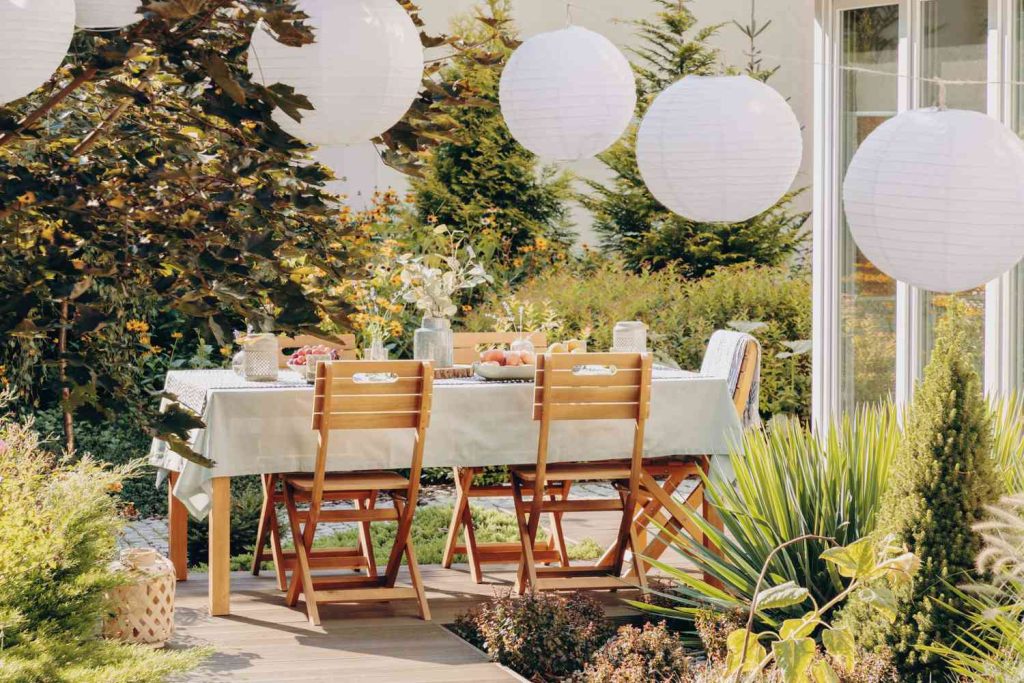
- Rustic Charm: In a farmhouse or cottage setting, multiple bubbled glass fixtures can enhance the cozy, handmade feel of the space.
- Industrial Chic: A cluster of industrial-style pendants with bubbled glass shades can add an unexpected touch of warmth and refinement to exposed brick and metal.
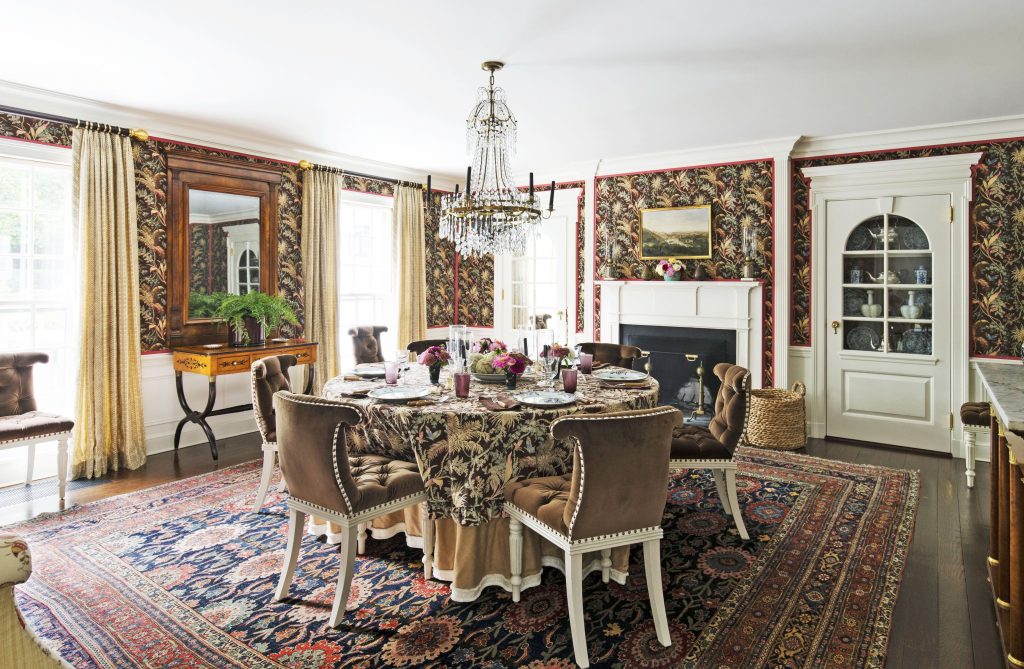
- Bohemian Eclectic: Hand-blown glass often pairs beautifully with other textured and handcrafted items, fitting perfectly into a vibrant, eclectic design.
Placement and Application
Think about where you want to introduce this special lighting.
- Entryways: A welcoming pendant in the foyer sets a sophisticated tone from the moment guests arrive.
- Kitchen Islands and Dining Areas: These are areas where task lighting is important, and the diffused glow from bubbled glass can create a pleasant atmosphere for meals and conversations.
- Living Rooms: A floor lamp or a series of accent lights can provide ambient lighting that is both functional and visually appealing.
- Bedrooms: Softer, diffused lighting is often preferred in bedrooms, and hand-blown glass can offer a calming and luxurious feel.
Lighting Design Considerations
When incorporating these pieces, remember a few practical points.
- Light Source: The type of bulb you choose will significantly impact the final effect. Warm white LEDs often enhance the coziness, while cooler bulbs can highlight the clarity of the glass. Consider dimmable options for maximum flexibility.
- Scale and Proportion: Ensure the size of the fixture is appropriate for the space. A massive chandelier might overwhelm a small room, while a tiny pendant could get lost in a grand space.
- Grouping: Clustering multiple hand-blown glass pieces of similar or complementary designs can create a powerful visual impact. Just be mindful of spacing to avoid a cluttered look.
- Cleaning and Maintenance: Generally, hand-blown glass can be cleaned with a soft, damp cloth. Avoid abrasive cleaners that could scratch the surface or damage any finishes.
Choosing artisanal hand-blown glass lighting with authentic bubbles is an investment in both beauty and enduring craftsmanship. It’s about bringing a piece of living history and a unique interplay of light and material into your home, creating a space that feels truly special and one-of-a-kind.

Hot Posts
- 10 Stunning Bedroom Design Ideas to Transform Your Sleep Space

- 5Funky Kitchen Gadgets to Keep Your Home Cooking Delicious

- A Home Garden For All Seasons

- Add Warmth and Style to Your Home with a Wooden Pendant Lamp
- Adding Drama to Your Decor With a Pendant XL Light
- Adorable Table Lamp for Kids’ Room

- Affordable Solar Garden Lights: A Smart Purchase
- Amber Glass Minimalist Balcony Dining Lighting