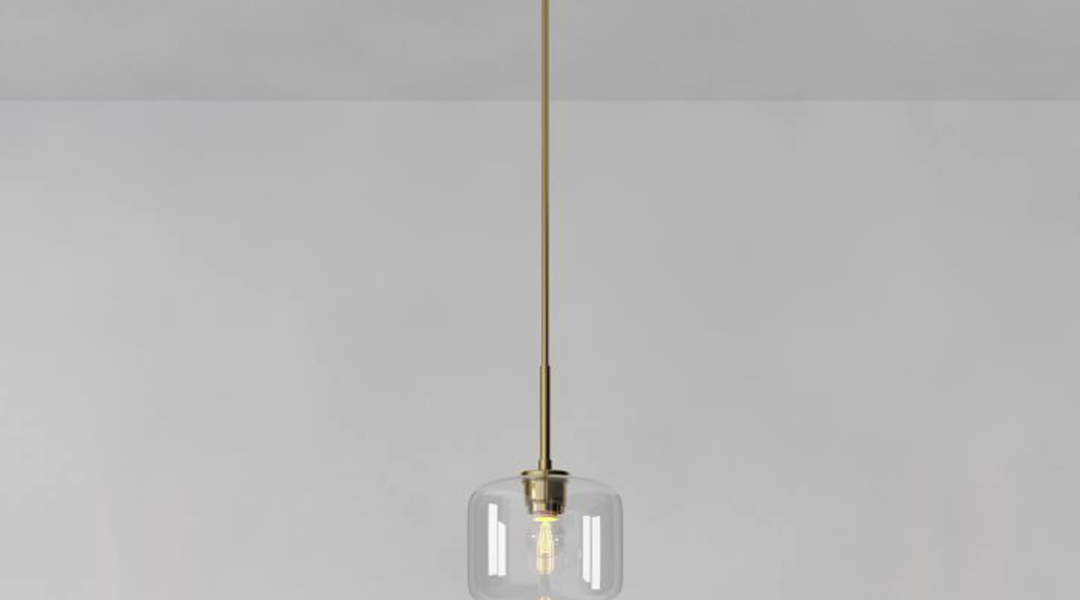
Effortless Installation: Vibrant Modern Pendant
The “Effortless Installation: Vibrant Modern Pendant” describes a category of lighting fixtures designed for ease of installation and contemporary aesthetic appeal. This article explores the defining characteristics, design considerations, and practical applications of such pendants, offering an overview for both consumers and professionals.
Pendant lights within this classification are distinguished by specific features that prioritize both user experience and visual impact. These characteristics coalesce to create a product that is both functional and aesthetically relevant in modern interiors.
Simplified Mounting Mechanisms
A core tenet of “Effortless Installation” is the simplified mounting mechanism. Traditional pendant lights Ilonalighting often require multiple steps, specialized tools, and a degree of electrical expertise. This category, however, aims to reduce these barriers.
Integrated Junction Box Covers
Many modern pendants integrate the junction box cover directly into the canopy design. This eliminates the need for separate plates or trim rings, streamlining the assembly process. The cover often features a twist-and-lock or quick-release system, allowing for secure attachment with minimal effort. This design decision directly addresses common installation frustrations, such as misaligned screws or ill-fitting components.
Tool-Less or Minimal-Tool Assembly
The design often incorporates features that necessitate few, if any, specialized tools beyond a screwdriver for initial wiring. This can include thumb screws, quick-connect terminals, or pre-attached components that simply click into place. The objective is to make the installation process accessible to individuals with basic DIY skills, reducing reliance on professional electricians for straightforward replacements or new installations in pre-wired locations.
Adjustable Cord Lengths
For versatility, many “Effortless Installation” pendants feature easily adjustable cord lengths. This might involve a push-button mechanism, a simple collet system, or a winding reel within the canopy. The ability to customize the drop length without cutting or re-wiring is a significant advantage, allowing for precise placement over various surfaces such as dining tables, kitchen islands, or stairwells. This adjustability accommodates diverse ceiling heights and design preferences.
Aesthetic Principles of Modern Design
“Vibrant Modern Pendant” denotes a commitment to contemporary aesthetics. This goes beyond mere surface-level appearance and permeates the selection of materials, forms, and color palettes.
Geometric Forms
Modern design frequently employs clean, geometric shapes. Spheres, cylinders, cubes, and other elemental forms are common. These shapes contribute to a sense of order and minimalism, avoiding ornate or elaborate detailing. The focus is on the inherent beauty of the form itself, often allowing the light source to become an integral element of the design.
Material Selection
Materials are chosen for their visual appeal, durability, and often, their ability to conduct or diffuse light effectively. Common choices include:
Metal Finishes
Brushed brass, matte black, polished chrome, and powder-coated steel are prevalent. These finishes contribute to a sophisticated and contemporary look, often complementing other fixtures and hardware in a modern space. The choice of finish can significantly alter the perceived warmth or coolness of the fixture.
Glass and Acrylic Diffusers
Opal glass, clear glass, frosted glass, and various acrylics are used to diffuse light, control glare, and add visual interest. The material’s transparency or opacity directly impacts the quality and spread of illumination. Some designs utilize textured glass to create unique light patterns.
Wood Accents
While less common than metal or glass, certain modern pendants incorporate wood elements, particularly lighter woods like maple or birch. These accents can introduce an organic touch, softening the overall aesthetic and adding warmth to an otherwise minimalist design.
Color Palette
“Vibrant” in this context refers not necessarily to a broad spectrum of saturated hues but rather to a deliberate and often bold use of color as an accent. While many modern pendants adhere to a monochromatic or achromatic scheme (blacks, whites, grays), designs incorporating vibrant colors often do so with intention.
Accent Colors
A single, bold color, such as a deep teal, mustard yellow, or burnt orange, might be used for the shade’s exterior or interior. This acts as a focal point, drawing attention to the fixture and introducing a burst of energy to the space. The vibrancy often lies in the contrast it creates with a more subdued background.
Metallic Hues
Beyond traditional silver or gold tones, vibrant metallic finishes are also employed. These might include rose gold, iridescent coatings, or deep bronze, which can contribute a sense of luxury and sophistication to the modern aesthetic.
Design Considerations
The design of an “Effortless Installation: Vibrant Modern Pendant” involves a careful balance of aesthetic appeal, functionality, and ease of use. Several factors are meticulously considered during the conceptualization and manufacturing phases.
Luminaire Efficiency and Light Quality
Beyond aesthetic considerations, the ability of the pendant to effectively illuminate a space is paramount.
Integrated LED Technology
Many modern pendants feature integrated LED light sources. This allows for more compact designs, longer lifespans, and greater energy efficiency compared to traditional incandescent or fluorescent bulbs. Integrated LEDs also offer precise control over color temperature and often dimming capabilities.
Color Temperature (CCT)
The color temperature of the emitted light (measured in Kelvin) affects the ambiance of a room. Warm white (2700K-3000K) is often preferred for residential spaces, providing a cozy atmosphere, while cooler white (4000K-5000K) is suitable for tasks or commercial settings. Some pendants offer adjustable CCT.
Color Rendering Index (CRI)
A high CRI (>90) is desirable, indicating that the light source accurately renders colors, making objects appear true to their natural hues. This is particularly important in areas where accurate color perception is crucial, such as kitchens or art studios.
Beam Angle and Distribution
The design of the shade dictates the beam angle and light distribution. Some pendants provide focused downward lighting, ideal for task illumination, while others offer a wider, more ambient spread. Upward light components can also contribute to overall room illumination and reduce stark contrasts.
Scalability and Adaptability
Modern interiors often benefit from lighting that can adapt to different scales and configurations.
Single vs. Multi-Pendant Configurations
While many “Effortless Installation” pendants are designed for standalone use, their clean aesthetic often makes them suitable for grouping. Manufacturers may offer multi-pendant canopies, allowing several individual pendants to be installed from a single electrical point, creating a unified chandelier effect.
Size and Proportionality
The size of the pendant is a critical consideration. A fixture too small can appear insignificant in a large room, while an oversized pendant can overwhelm a smaller space. Designers strive for proportions that complement typical modern ceiling heights and furniture arrangements. The diameter of the pendant relative to the surface it illuminates (e.g., dining table) is frequently a guideline.
Maintenance and Durability
The emphasis on ease extends to the long-term owner experience, including maintenance and the product’s lifespan.
Accessible Cleaning
Smooth surfaces and minimal crevices contribute to easier cleaning. Materials are often selected to resist dust accumulation and smudging, ensuring the fixture maintains its vibrant appearance with minimal effort.
Robust Construction
Despite the focus on ease of installation, the underlying construction is typically robust. High-quality materials and manufacturing processes are employed to ensure durability and longevity, reducing the need for frequent replacements. This ensures the “effortless” nature extends beyond initial setup.
Practical Applications
The versatility and aesthetic appeal of “Effortless Installation: Vibrant Modern Pendants” make them suitable for a wide range of residential and commercial applications.
Residential Spaces
In homes, these pendants serve both functional and decorative purposes, contributing significantly to the overall interior design.
Kitchen Islands and Countertops
This is a quintessential application. Pendants hung individually or in a linear array above kitchen islands provide focused task lighting for food preparation and also serve as a prominent design feature, anchoring the space. The “vibrant” aspect might manifest in a bold finish or a unique geometric form.
Dining Areas
Over a dining table, a single large pendant or a cluster of smaller ones can define the eating zone. The light quality is crucial here, creating an inviting atmosphere while adequately illuminating the table surface. The adjustable cord length is particularly useful for achieving the ideal height.
Bedrooms
In bedrooms, smaller pendants can replace traditional bedside lamps, freeing up nightstand space. Hung on either side of the bed, they offer targeted reading light and contribute a contemporary touch. The “effortless installation” makes them an attractive option for renters or those seeking easy updates.
Entryways and Hallways
A strategically placed pendant in an entryway creates a welcoming focal point. In hallways, a series of smaller pendants can provide ambient light and visual guidance, especially in longer corridors.
Commercial and Hospitality Settings
The contemporary aesthetic and ease of maintenance also make these pendants suitable for various professional environments.
Restaurants and Cafes
In dining establishments, pendants are used to create intimate zones, highlight specific tables, or contribute to the overall brand aesthetic. Their modern forms can reinforce a contemporary dining experience. The “vibrant” element can align with a specific interior design theme.
Offices and Retail Spaces
In modern office designs, pendants can delineate collaborative areas, reception desks, or individual workstations. In retail, they draw attention to displays or products, enhancing the shopping experience. The ease of installation aids in quick refits or seasonal updates.
Hotel Lobbies and Guest Rooms
In hospitality, pendants contribute to the luxurious ambiance of lobbies and are often used in guest rooms to provide decorative and functional illumination. The streamlined installation process simplifies maintenance and turnover for hotel staff.
Installation Process Overview
While specific steps vary by product, the general “effortless installation” process follows a common pattern designed for simplicity.
Pre-Installation Checks: The Foundation
Before any physical work commences, preliminary checks are crucial for safety and efficiency. This stage is analogous to preparing a canvas before painting; a solid foundation ensures a smooth creative process.
Power Disconnection
The most critical step is to ensure the power to the circuit is turned off at the breaker. This is not merely a formality but a non-negotiable safety measure, guarding against electrical shock. Verification with a non-contact voltage tester is highly recommended.
Existing Fixture Removal
If replacing an existing fixture, carefully disconnect the wiring and remove the old unit. Documenting the wiring configuration with photographs can be beneficial for reference, acting as a visual guide to avoid confusion.
Inspecting the Junction Box
The ceiling junction box must be securely mounted and structurally sound. It acts as the anchor for the pendant. Any signs of damage or instability should be addressed before proceeding.
Mounting the Canopy: The Anchor Point
The canopy, which houses the wiring connections and attachment hardware, is the first component of the new pendant to be secured to the ceiling.
Attaching the Mounting Bracket
Most pendants come with a separate mounting bracket that affixes directly to the junction box. This bracket often has slotted holes, allowing for minor adjustments to ensure the canopy sits flush and level. This step is akin to laying the keystone of an arch; its correct placement is vital for the entire structure.
Wiring Connections
With the power off, connect the pendant’s wires to the corresponding house wires (typically black to black, white to white, and ground to ground). Twist wire nuts securely and ensure no bare wire is exposed. This is the anatomical connection, ensuring life (electricity) flows correctly to the pendant.
Securing the Canopy
Once wired, the canopy is secured to the mounting bracket. This typically involves small screws, a twist-lock mechanism, or a magnetic attachment feature. The goal is a snug fit that hides the wiring and mounting hardware, presenting a clean aesthetic.
Assembling the Fixture and Adjustments: The Refinement
With the structural and electrical components in place, the focus shifts to assembling the decorative elements and fine-tuning the pendant’s position.
Attaching the Shade/Body
The main body or shade of the pendant is often the next component to be attached. This might involve threading it onto a central rod, securing it with decorative nuts, or clicking it into place. This is where the pendant takes its final, recognizable form.
Adjusting Cord Length
For pendants with adjustable cords, this is the stage to set the desired drop length. Many systems allow for adjustments even after the canopy is mounted, offering flexibility. This act is like setting the focal length of a camera, ensuring the subject (the pendant) is perfectly framed and positioned.
Inserting Light Source (if not integrated)
If the pendant uses a replaceable bulb (Edison base, GU10, etc.), insert the bulb at this point. For integrated LED units, this step is often omitted as the light source is sealed within the fixture.
Final Checks and Power Restoration: The Illumination
The concluding steps confirm functionality and safety, culminating in the pendant’s first illumination.
Visual Inspection
Perform a final visual inspection. Ensure all components are securely fastened, wires are neatly tucked away, and the pendant hangs straight and level.
Power Restoration
Once satisfied with the installation, restore power to the circuit. This is the moment of truth, the revealing of the masterpiece.
Testing Functionality
Test the pendant by turning the light switch on and off. If dimmable, test the dimming function. Address any issues (e.g., no light, flickering) by re-checking wiring or consulting the troubleshooting guide.
By following these broad steps, the “Effortless Installation: Vibrant Modern Pendant” lives up to its name, transforming the often-daunting task of light fixture replacement into an accessible and rewarding home improvement project. The design-driven approach ensures that ease of installation does not compromise the aesthetic impact, offering a cohesive and stylish solution for contemporary spaces.

Hot Posts
- 10 Stunning Bedroom Design Ideas to Transform Your Sleep Space
- 5Funky Kitchen Gadgets to Keep Your Home Cooking Delicious

- A Home Garden For All Seasons

- Add Warmth and Style to Your Home with a Wooden Pendant Lamp
- Adding Drama to Your Decor With a Pendant XL Light
- Adorable Table Lamp for Kids’ Room

- Affordable Solar Garden Lights: A Smart Purchase
- Antique Table Lamps & Lighting at Auction


Leave a Reply