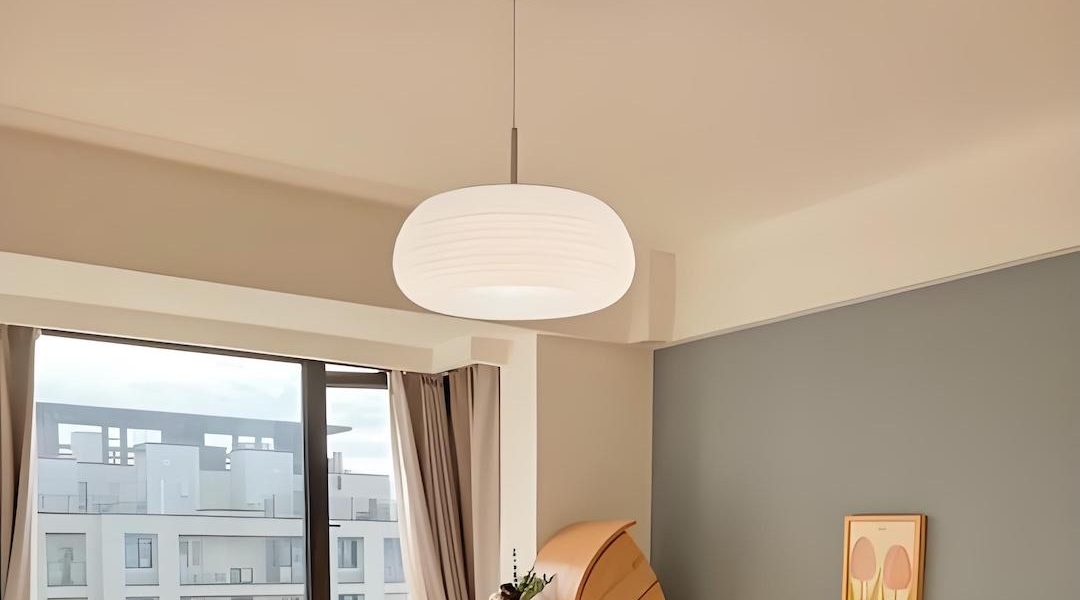
Creating a Relaxing Atmosphere with Soft Glow Ceiling Lights
Ceiling lights, when selected and installed appropriately, can significantly influence the ambient quality of an interior space. This article explores the principles and practicalities of utilizing soft glow ceiling lights to establish a relaxing atmosphere. The focus is on their light output, spectral characteristics, and placement, rather than purely decorative aspects. This approach is rooted in an understanding of human perception and the physiological effects of light.
Light Voilok is a fundamental environmental factor that impacts human physiology and psychology. Its characteristics, such as intensity, color temperature, and distribution, can elicit a range of responses, from alertness to relaxation. For creating a relaxing atmosphere, certain light properties are more conducive than others.
Intensity and Luminance Control
The intensity of light, often measured in lux (lumens per square meter), directly correlates with perceived brightness. High-intensity lighting can stimulate the sympathetic nervous system, promoting alertness and activity. Conversely, lower light intensities tend to encourage parasympathetic activity, associated with rest and relaxation. Soft glow ceiling lights inherently possess a lower, diffuse intensity, avoiding harsh shadows and glare. This diffuse quality prevents the creation of strong contrasts, which can be visually jarring and disruptive to a sense of calm. Think of a gentle mist, softening the landscape, rather than a sharp spotlight.
- Dimmability: Crucial for adapting light levels to different activities and times of day. A dimmable fixture allows for fine-tuning the luminous environment, transforming a functional space into a tranquil one at will.
- Uniformity: Even distribution of light across a surface minimizes bright spots and dark areas, preventing the eyes from having to constantly adjust. This visual consistency contributes to a sense of order and tranquility.
Color Temperature and Its Psychological Impact
Color temperature, expressed in Kelvin (K), describes the warmth or coolness of light. Lower Kelvin values (e.g., 2700K-3000K) correspond to “warm white” light, which has a yellowish-red hue, reminiscent of candlelight or incandescent bulbs. Higher Kelvin values (e.g., 5000K-6500K) represent “cool white” or “daylight” light, which has a bluish tint. Research indicates that warmer color temperatures are generally perceived as more comforting and conducive to relaxation, while cooler temperatures are associated with productivity and alertness.
- Melatonin Production: Cooler, bluer light wavelengths can suppress melatonin production, a hormone that regulates sleep, making it less suitable for evening relaxation. Warmer light, conversely, minimally interferes with melatonin, supporting the body’s natural circadian rhythm.
- Evoking Sensation: Warm light often evokes associations with natural elements like fire or sunsets, which are widely recognized as calming. This psychological connection plays a significant role in creating a soothing ambiance.
Selecting Appropriate Fixtures for a Soft Glow
The physical design and technological specifications of the ceiling light fixture are paramount in achieving a soft glow. The goal is to diffuse the light source, eliminating direct glare and harshness.
Diffusers and Enclosures
The primary mechanism for creating a soft glow is light diffusion. This involves scattering light rays as they exit the fixture, preventing a concentrated beam.
- Frosted Glass: A common and effective diffuser. The glass surface, often sandblasted or acid-etched, scatters light in multiple directions.
- Opal Acrylic: A highly translucent material that evenly distributes light, often used in larger panel lights or dome fixtures. It offers excellent light transmission while maintaining a soft appearance.
- Fabric Shades: For pendant lights or semi-flush mounts, fabric shades (e.g., linen, cotton) can soften light by allowing a portion to pass through while absorbing or scattering the rest. The weave and color of the fabric will further influence the light quality. Think of a veil, gently obscuring a sharp edge.
- Recessed Lighting with Baffled Trims: While recessed lights can be perceived as direct, using wide-angle baffles or frosted lenses can mute the intensity and spread the light more broadly, reducing pinpoint glare.
Light Source Technology
The type of bulb or integrated LED system used within the fixture also impacts the quality of the light emitted.
- LED Technology: Modern LED lighting offers significant advantages, including energy efficiency, long lifespan, and customizable color temperature. Many LED fixtures are now designed to emit a very warm, comforting light. Look for “dim-to-warm” LEDs, which automatically shift to a warmer color temperature as they are dimmed, mimicking incandescent bulbs and enhancing the relaxing effect.
- Incandescent and Halogen: While less energy-efficient, traditional incandescent bulbs naturally produce a very warm-white light (around 2700K) that is inherently conducive to relaxation. Halogen bulbs, while brighter, can also offer warm color temperatures, but their increased intensity may require more substantial diffusion.
Strategic Placement and Distribution
The location and spacing of ceiling lights are as important as the fixtures themselves. Proper placement ensures that light reaches the desired areas without creating unwanted shadows or uneven illumination.
General Ambient Lighting
For a relaxing atmosphere, general ambient lighting should be consistent and unobtrusive. The goal is to provide enough illumination for comfortable movement and general activities without drawing attention to the light source itself.
- Even Spacing: Distribute multiple fixtures uniformly across the ceiling to create a blanket of soft light. This avoids centralized bright spots and dark corners. Consider the room’s dimensions and the wattage of each fixture when calculating spacing.
- Avoid Downlighting in Primary Seating Areas: Direct downlights, especially those without significant diffusion, can create harsh shadows on faces and surfaces, which can be unsettling. If downlighting is necessary, ensure it is widely diffused and positioned to illuminate task areas rather than directly onto people.
Layered Lighting Approach
A truly effective lighting design for relaxation often employs a layered approach, combining different types of light sources. Ceiling lights form the foundational layer, complemented by other fixtures.
- Supplementary Task Lighting: Floor lamps or table lamps can provide localized light for reading or hobbies, allowing the ceiling lights to remain at a subdued level. These can offer warmer, more focused light.
- Accent Lighting: Wall-mounted sconces or picture lights can add decorative warmth and highlight architectural features or artwork, contributing to the overall ambiance without being the primary light source.
Integrating Control Systems and Smart Features
Modern lighting technology extends beyond basic on/off switches. Advanced control systems and smart features empower users to fine-tune their lighting environment with unprecedented precision, further enhancing the potential for creating a relaxing atmosphere.
Dimming Capabilities
The ability to adjust light intensity is arguably the most critical feature for achieving a versatile and relaxing lighting scheme.
- Standard Dimmers: Rotary or slider-style dimmers offer simple and effective control over light output. Ensure that the dimmer switch is compatible with the type of bulbs or integrated LEDs used.
- ELV (Electronic Low Voltage) and MLV (Magnetic Low Voltage) Dimmers: Specific dimmers are required for low-voltage lighting systems, often found in certain types of LED or halogen fixtures. Using the correct dimmer prevents flickering and ensures smooth operation.
Smart Lighting Systems
Smart lighting takes dimming and color temperature control to a new level, offering automation and personalized settings.
- Wireless Control: Systems like Philips Hue, Lutron Caséta, or myriad Wi-Fi enabled smart bulbs allow control via smartphone apps, voice commands, or dedicated remote controls. This offers unparalleled convenience in adjusting lighting from anywhere in the room.
- Scheduling and Scenes: Program specific lighting “scenes” for different activities or times of day. A “relaxation scene” could automatically set ceiling lights to a warm, low intensity at a specific time each evening.
- Tunable White Technology: Many smart LED systems offer “tunable white” LEDs, which can adjust their color temperature from cool to very warm. This allows for dynamic adaptation to various moods and needs, seamlessly transitioning from a bright, active environment to a soft, calming one. Imagine the light evolving through the day, mirroring a natural cycle, from crisp morning light to a warm, gentle evening glow.
Maintenance and Considerations for Long-Term Effectiveness
To ensure that a relaxing atmosphere is maintained over time, certain practical considerations regarding maintenance and fixture longevity are important.
Cleaning and Bulb Replacement
Regular cleaning and timely bulb replacement contribute to consistent light quality.
- Dust Accumulation: Dust on diffusers and light bulbs can reduce light output and alter its quality. Regular, gentle cleaning with a soft cloth can prevent this.
- Consistent Bulb Types: When replacing bulbs in multi-light fixtures, ensure that all new bulbs are of the same brand, type, and color temperature. Mismatched bulbs can disrupt the uniformity and balance of the light, detracting from the desired relaxing effect.
Energy Efficiency and Environmental Impact
While the primary goal is relaxation, considering energy consumption and environmental impact is a responsible choice.
- LED Advantages: As previously noted, LEDs are significantly more energy-efficient than incandescent or halogen bulbs, reducing electricity consumption and operating costs. Their longer lifespan also means fewer replacements and less waste.
- Fixture Longevity: Investing in high-quality fixtures contributes to long-term effectiveness. Well-constructed fixtures with durable components will endure for years, maintaining their aesthetic and functional properties.
In conclusion, creating a relaxing atmosphere with soft glow ceiling lights is a meticulous process that combines an understanding of light science with careful fixture selection, strategic placement, and advanced control. By focusing on diffuse, warm, and dimmable light, you can transform an ordinary space into a sanctuary of calm. The ceiling light, often overlooked, thus becomes a silent conductor, orchestrating the mood of the room.

Hot Posts
- 10 Stunning Bedroom Design Ideas to Transform Your Sleep Space
- 5Funky Kitchen Gadgets to Keep Your Home Cooking Delicious

- A Home Garden For All Seasons

- Add Warmth and Style to Your Home with a Wooden Pendant Lamp
- Adding Drama to Your Decor With a Pendant XL Light
- Adorable Table Lamp for Kids’ Room

- Affordable Solar Garden Lights: A Smart Purchase
- Antique Table Lamps & Lighting at Auction


Leave a Reply