Minimalist Dining Room: White Plaster Pendant Light
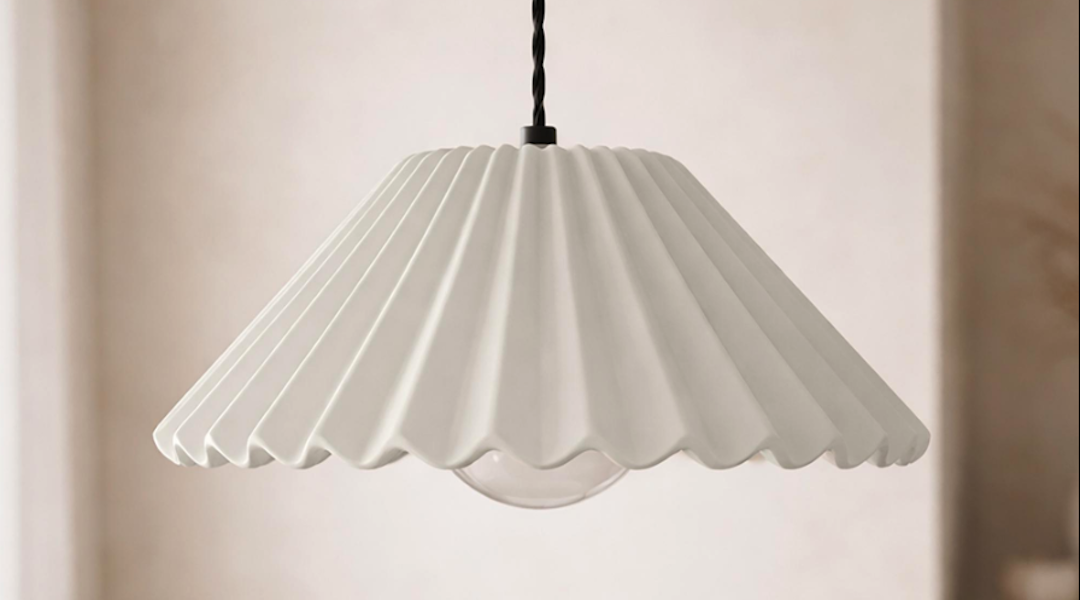
Let’s talk about how a simple white plaster pendant light can be the secret weapon for your minimalist dining room. Honestly, it’s a pretty straightforward way to elevate the space without adding clutter. You’re looking for that clean, impactful look, right? Well, this kind of light fixture delivers exactly that. It’s not about flashy design; it’s about functional beauty that lets your dining room breathe while still feeling put-together. Think of it as the perfect accessory that doesn’t scream for attention but definitely makes a statement.
So, why a white plaster pendant, specifically? It’s not just about the color or the material, though those are significant. It’s about what this combination brings to the table, literally and figuratively. In a minimalist setting, every element has to earn its place. A white plaster pendant does that by being versatile, soft, and sophisticated, all without being overbearing.
Material Matters: The Understated Elegance of Plaster
Plaster, in its essence, is about texture and a certain organic quality. Unlike the sleekness of metal or glass, plaster has a matte finish that absorbs light Famtools beautifully. This means it diffuses a softer glow, creating a more inviting ambiance.
The Tactile Experience: A Subtle Sophistication
Run your hand over a good quality plaster finish, and you’ll notice a subtle difference from smoother materials. This slight texture adds a layer of depth to the fixture that you might not get from, say, a painted metal orb. It’s a detail that contributes to the overall sense of handcrafted quality, even in mass-produced pieces. This isn’t about a rustic, rough look; it’s about a refined, subtle tactility.
Durability and Timelessness: An Investment in Simplicity
Plaster, when properly sealed and finished, can be surprisingly durable. It’s not prone to the scratches that can mar painted metal or the shattering risks of glass. This durability means your pendant light will maintain its refined appearance for years to come, fitting perfectly into the long-term vision of a minimalist home.
The Power of White: A Blank Canvas for Your Space
White is the ultimate neutral, and in a minimalist dining room, it’s practically gospel. A white plaster pendant becomes a luminous focal point that doesn’t fight with your existing decor. It’s like a softly glowing cloud, drawing the eye without demanding it.
Enhancing Light and Space: The Illusion of Openness
White reflects light, and a pendant fixture is all about light. A white plaster pendant will amplify the natural light in your dining room during the day and cast a soft, diffused light in the evening. This contributes to a feeling of spaciousness and airiness, crucial for minimalist interiors.
Harmonizing with Any Palette: Unmatched Versatility
Whether your dining room is stark white, has subtle grey tones, or features natural wood elements, a white plaster pendant will fit right in. It won’t clash with accent colors you might introduce later, nor will it detract from the carefully chosen palette of your minimalist design. It’s a chameleon that enhances rather than competes.
A Subtle Contrast: Standing Out by Blending In
Paradoxically, a white pendant can create a subtle yet effective contrast against a darker ceiling or walls. It becomes a bright, inviting beacon above your dining table, a defined zone that anchors the space without introducing visual noise.
Choosing the Right White Plaster Pendant for Your Minimalist Dining Room
The “right” pendant isn’t just about slapping any white plaster light up there. There are nuances to consider that will make the biggest impact in your minimalist setup. It’s about selecting a piece that complements your table, your chairs, and the overall vibe you’re going for.
Shape and Scale: The Art of Proportion
This is where many minimalist designs falter – getting the scale of the lighting wrong. Too small and it disappears; too large and it overwhelms. For a dining room, the pendant should generally be proportional to the dining table.
The Classic Dome: A Timeless Choice
A simple, clean dome shape in white plaster is a classic for a reason. It offers a good downward throw of light, ideal for illuminating your dining surface. Look for variations in the dome’s curves – some are sharper, others softer. The subtle difference can significantly alter the overall feel.
Spheres and Orbs: Softening the Edges
A spherical or orb-shaped white plaster pendant can introduce a gentle softness to a room that might otherwise feel a little too stark. The lack of sharp edges can create a more organic and approachable atmosphere, perfect for those who want minimalism without feeling austere.
Elongated Forms: A Modern Touch
For a longer dining table, an elongated or cylindrical plaster pendant can provide excellent coverage and a more contemporary aesthetic. These often come in sets or as single, longer pieces. The key here is ensuring the length is appropriate for your ceiling height and the table’s width.
Size Considerations: Finding the Sweet Spot
- Diameter: For a standard four-to-six-seater dining table, a pendant around 12-18 inches in diameter is often a good starting point. Larger tables might accommodate 20-24 inches or even more.
- Drop Height: This is crucial. The bottom of the pendant should ideally hang about 30-36 inches above the dining table’s surface. This ensures good illumination without being too close to heads or too far to feel ineffective. Measure your ceiling height and table height to get this right.
Integrating Your White Plaster Pendant: Placement and Styling
Once you’ve chosen your perfect fixture, how you integrate it into your dining room is key to maintaining that minimalist ethos. It’s about making it a purposeful element, not an afterthought.
Central Placement: The Anchor of the Dining Area
The most common and often most effective placement for a dining room pendant is directly in the center, directly above the dining table. This creates a clear visual anchor and defines the dining zone within a larger open-plan space.
Aligning with the Table: Precision is Key
Ensure the pendant is perfectly centered over the tabletop. If you have a rectangular table, center it along both the length and width. For round tables, it’s simpler but still requires careful alignment.
Considering Room Layout: Beyond the Table
Think about the overall room flow. Does the central placement impede movement? In some cases, slightly off-center placement might be necessary, but always aim for balance and a sense of intentionality.
Multiple Pendants: A Symphony of Simplicity
For larger dining tables or dining areas, consider using a series of smaller white plaster pendants. This can create a more dynamic and visually interesting arrangement than a single, large fixture.
Even Spacing: Creating a Rhythmic Flow
When using multiple pendants, even spacing is vital to maintain a sense of order and calm. The distance between each pendant should be consistent. A good rule of thumb is to have about 30-36 inches between the edges of each fixture.
Varying Heights: Adding Depth and Interest
While even spacing is important, you can experiment with slight variations in hanging height to add a subtle layer of visual interest. This works best with more modern or sculptural pendant designs. Always keep the functional aspect of illumination in mind.
The Ambiance Created: Soft Light, Serene Space
The true magic of a white plaster pendant in a minimalist dining room lies in the atmosphere it cultivates. It’s about more than just light; it’s about mood.
Diffused Illumination: A Gentle Glow
Plaster’s matte texture is excellent at diffusing light. This means no harsh glares, just a soft, even glow that makes your dining space feel warm and inviting. It’s ideal for creating a relaxed setting for meals and conversation.
Avoiding Glare: Comfort for the Eyes
Harsh overhead lighting can be uncomfortable. A diffused light source, like a plaster pendant, reduces eye strain and makes prolonged dining more enjoyable. This is particularly important if your dining room is also used for other activities like homework or reading.
Casting Subtle Shadows: Depth without Distraction
While aiming for even light, a well-designed pendant can still cast subtle, soft shadows. These add a touch of depth and dimension to the room without creating the distracting chaos of overly complex lighting.
Enhancing Materiality: Letting Other Elements Shine
In a minimalist room, the focus is often on the quality of materials – the wood of your table, the texture of your chairs, the weave of your rug. A white plaster pendant acts as a subtle spotlight, enhancing these details without competing for attention.
The Warmth of Wood: Complementary Tones
The soft, neutral light from a white plaster pendant creates a beautiful contrast with the natural warmth of wooden dining tables and chairs. It highlights the grain and natural color variation, making these elements feel even more inviting.
The Tactility of Textiles: Embracing Texture
From linen napkins to woven placemats, textiles add crucial texture to a dining space. The soft light further emphasizes these textures, making them more appealing and visually interesting.
Beyond the Basics: Elevating Your Minimalist Dining Room
A white plaster pendant is a fantastic foundation, but a few extra touches can take your minimalist dining room from good to exceptional. It’s about refining the details to create a truly cohesive and peaceful environment.
Pairing with a Simple Table: The Perfect Partnership
The dining table itself is a major player. A minimalist white plaster pendant pairs beautifully with simple, uncluttered tables.
Natural Wood Tables: Timeless Appeal
A solid wood dining table, whether light oak, walnut, or a darker stained wood, creates a beautiful and timeless pairing with a white plaster pendant. The natural grain of the wood stands out against the soft, neutral backdrop of the light.
Clean-Lined Tables: Modern Sophistication
Tables with clean, geometric lines – think simple metal bases with wood or quartz tops – also complement the minimalist aesthetic. The pendant’s organic form can provide a gentle contrast to the table’s sharper edges.
Avoiding Overly Ornate Designs: Maintaining Focus
Steer clear of overly ornate or heavily detailed dining tables if your goal is true minimalism. The focus should remain on clean lines and functionality. The pendant will then serve to enhance, not compete.
Complementary Decor: Less is More
When it comes to decor around your dining area, the minimalist mantra truly shines.
A Single Statement Piece: Centerpiece Power
Instead of cluttering the table with multiple items, opt for a single, impactful centerpiece. This could be a simple vase with striking branches, a beautifully crafted ceramic bowl, or even just an artful arrangement of seasonal fruits.
Subtle Area Rugs: Grounding the Space
A minimalist dining room can benefit from a subtly patterned or solid-colored area rug beneath the dining table and chairs. This helps to define the space and adds a layer of comfort and texture. Choose natural fibers like wool or jute.
Wall Art: Judicious Placement
If you choose to include wall art, select pieces that complement the serene atmosphere. Abstract art with soft colors, nature-inspired photography, or simple line drawings can enhance the space without overwhelming it. Ensure they are hung with intention and aren’t just decorative filler.
Lighting Control: Setting the Mood Precisely
The ability to control the light is essential for a functional and mood-setting dining space.
Dimmers: Your Best Friend
Installing a dimmer switch on your white plaster pendant light is perhaps the most practical tip. This allows you to adjust the brightness for different occasions – a brighter light for tasks like meal prep or homework, and a softer, more ambient glow for relaxed dinners.
Layered Lighting: Beyond the Pendant
While the pendant is the star, consider subtle secondary lighting. A floor lamp in a corner or subtle wall sconces can provide ambient light and add depth to the room, especially in larger spaces. Opt for fixtures that echo the minimalist aesthetic.
In conclusion, a white plaster pendant light isn’t just a lighting choice; it’s a strategic design decision for any minimalist dining room. It offers a blend of understated elegance, functional brilliance, and an unparalleled ability to create a serene and inviting atmosphere. By carefully selecting the right shape, scale, and integrating it thoughtfully with your dining table and decor, you can achieve a dining space that is both beautiful and a peaceful sanctuary for everyday life.

Hot Posts
- 10 Stunning Bedroom Design Ideas to Transform Your Sleep Space
- 5Funky Kitchen Gadgets to Keep Your Home Cooking Delicious

- A Home Garden For All Seasons

- Add Warmth and Style to Your Home with a Wooden Pendant Lamp
- Adding Drama to Your Decor With a Pendant XL Light
- Adorable Table Lamp for Kids’ Room

- Affordable Solar Garden Lights: A Smart Purchase
- Amber Glass Minimalist Balcony Dining Lighting