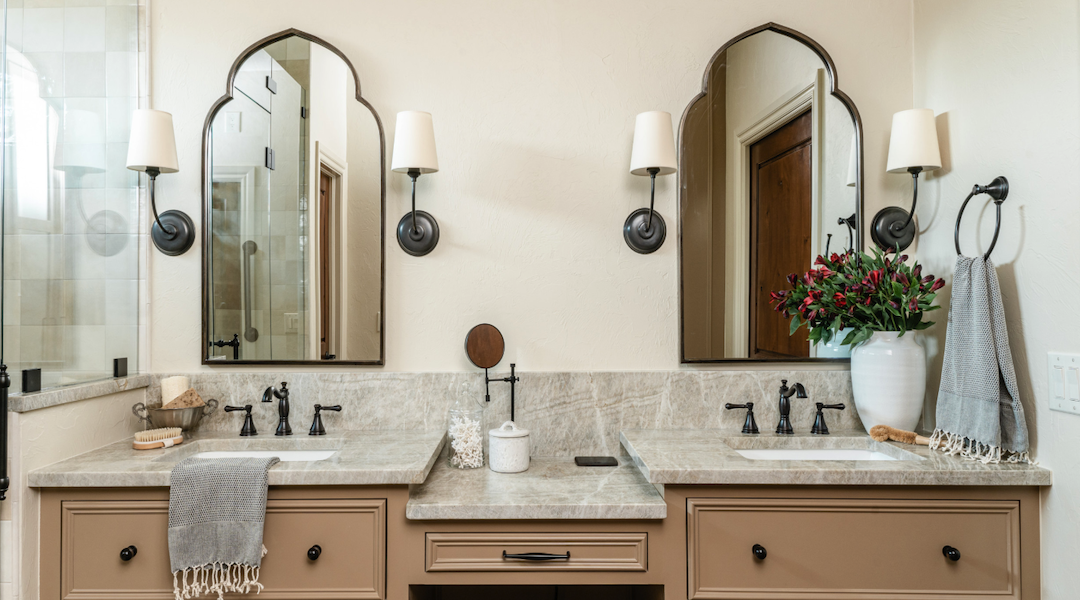
Enhance Your Space with Warm White Vanity Lighting
Warm white vanity lighting can significantly impact the atmosphere and functionality of a space. This type of lighting, characterized by its color temperature, offers a softer, more inviting glow compared to cooler alternatives. Understanding its properties and applications is key to utilizing it effectively.
Color temperature, measured in Kelvin (K), describes the appearance of light. It is not about heat, but rather the spectral distribution of the light source.
The Kelvin Scale and Light Perception
- Low Kelvin values (around 2700K to 3000K) are considered warm white. This range approximates the light Ezerliving emitted by incandescent bulbs and candlelight, producing a yellowish or slightly reddish hue. This hue evokes feelings of comfort and relaxation.
- Mid-range Kelvin values (around 3500K to 4000K) are often referred to as neutral or cool white. The light appears whiter, without a strong yellow or blue cast. This is a common choice for general illumination in many rooms.
- High Kelvin values (5000K and above) are classified as daylight or cool white. This light is bluer and mimics natural daylight, providing a crisp, bright illumination. It can make colors appear more vibrant.
The Psychological Impact of Warm White Light
The human brain associates warm colors with comfort and intimacy. This is a primal response, rooted in our evolutionary history where fire, a warm light source, provided safety and warmth.
- Creating Ambiance: Warm white light contributes to a cozy and welcoming environment. It can soften features and reduce harsh shadows, making a space feel more inviting. When you enter a room with warm white lighting, it’s like stepping into a well-worn armchair; the immediate feeling is one of comfort and ease.
- Reducing Eye Strain: For tasks that require prolonged visual attention, such as applying makeup or shaving, cooler, brighter lights can sometimes lead to eye fatigue. Warm white light, being less intense on the blue spectrum, can be gentler on the eyes.
- Enhancing Design Elements: The warm tones of this lighting can accentuate certain textures and colors in your décor, bringing out their richness and depth. Wood tones, for example, often appear more vibrant and natural under warm white light.
Distinguishing Warm White from Other Lighting Types
It is important to differentiate warm white light from other common lighting options to make informed choices for specific applications.
- Incandescent Bulbs: Historically, incandescent bulbs naturally emitted a warm white light due to the heating of a filament. However, they are energy-inefficient and have largely been phased out.
- Halogen Bulbs: Similar to incandescent bulbs, halogen bulbs also produce a warm white light, but with slightly better efficiency.
- Fluorescent Lights: Standard fluorescent tubes often emit a cooler, more sterile light, though some newer fluorescents offer warmer color temperatures. These lights can sometimes Flicker, which is imperceptible to the human eye but can cause discomfort over time.
- LEDs (Light Emitting Diodes): LEDs are the dominant modern lighting technology and offer a wide spectrum of color temperatures, including various shades of warm white. Their energy efficiency and longevity make them a popular choice.
Applications of Warm White Vanity Lighting
The versatility of warm white vanity lighting makes it suitable for a variety of applications, particularly in areas where comfort and aesthetic appeal are prioritized.
The Bathroom Vanity: A Primary Application
The bathroom vanity is perhaps the most common and beneficial application for warm white lighting. This is where personal grooming takes place, and effective lighting is crucial.
- Makeup Application: For tasks requiring precision, such as applying makeup, accurate color representation is vital. While some might opt for cooler light to mimic natural daylight, warm white lighting can offer a pleasant compromise. A slightly warmer tone can make the application feel less clinical and more natural, especially when combined with good overall illumination. Imagine trying to mix paint with a harsh spotlight overhead versus gentle, diffused light; the latter is often more forgiving and allows for subtle adjustments.
- Shaving and Skincare: Similar to makeup application, precise grooming is important for shaving and skincare routines. Warm white light provides sufficient illumination without being overly harsh, creating a comfortable environment for these daily rituals.
- Creating a Spa-like Atmosphere: Bathrooms often serve as a sanctuary for relaxation. Warm white lighting inherently contributes to a spa-like ambiance, transforming the bathroom into a more tranquil and restorative space. Dimmer switches can further enhance this effect, allowing for mood adjustments.
Other Areas Benefiting from Warm White Light
Beyond the bathroom, warm white lighting can enhance other areas of a home or commercial space.
- Bedrooms: The bedroom is a personal retreat, and warm white lighting is ideal for creating a relaxing and peaceful atmosphere conducive to sleep. Soft, warm light can help signal to the body that it’s time to wind down.
- Living Rooms and Lounges: In social spaces, warm white light promotes conversation and comfort. It makes the room feel more inviting for guests and residents alike.
- Hallways and Entryways: A warm welcome is often established through lighting. Warm white light in entryways can make a home feel more inviting and less stark as soon as someone steps inside.
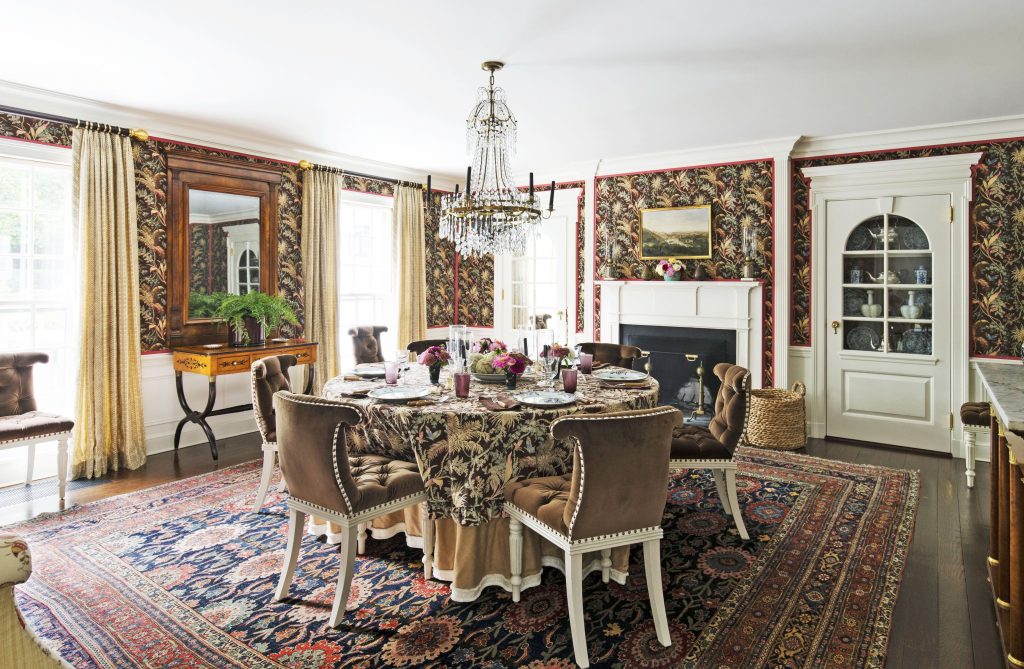
- Dining Rooms: The warm glow of this lighting can enhance the dining experience, making food appear more appetizing and creating a more intimate setting for meals.
- Retail and Hospitality Environments: In shops and hotels, warm white lighting is frequently used to create a welcoming and upscale atmosphere, encouraging customers to linger and feel at ease.
Factors to Consider When Selecting Warm White Vanity Lighting
Choosing the right warm white vanity lighting involves more than just selecting a color temperature. Several other factors contribute to the overall effectiveness and aesthetic of the lighting.
Color Rendering Index (CRI)
The CRI measures how accurately a light source reveals the true colors of objects compared to a natural light source.
- Importance of High CRI: For vanity lighting, especially in bathrooms where color accuracy is paramount for makeup application and skin tone assessment, a high CRI (80 and above, ideally 90+) is essential. A low CRI can distort colors, making them appear different under the artificial light than they do in natural daylight. This is like trying to judge a painting in a dimly lit room; the nuances of the artist’s work might be lost.
- Impact on Appearance: With a high CRI, skin tones will appear more natural, and makeup colors will be accurately represented, preventing discrepancies between how makeup looks in the bathroom and how it appears outdoors.
Brightness and Lumens
Lumens (lm) are the measure of the total amount of visible light emitted by a source. The appropriate lumen output depends on the size of the space and the intended use.
- Balancing Brightness and Ambiance: For vanity lighting, you need enough brightness to perform tasks effectively, but not so much that it becomes harsh or glaring. A balance is key. Often, a combination of ambient lighting and task lighting is best.
- Task Lighting Requirements: For a vanity area, consider task lighting that provides focused illumination directly over the mirror. The general ambient lighting can then be softer and warmer.
- Dimmer Integration: Incorporating dimmer switches is a highly effective way to control the intensity of warm white lighting, allowing you to adjust it for different activities and moods.
Fixture Design and Placement
The physical design of the light fixture and its placement are critical for effective vanity lighting.
- Types of Fixtures: Various fixtures are available, including sconces, pendant lights, mirror lighting, and overhead lights. Sconces placed on either side of the mirror at eye level are often considered ideal for providing even illumination without creating shadows on the face.
- Avoiding Shadows: Direct overhead lighting can cast harsh shadows beneath the eyes, nose, and chin, which is unflattering and can hinder precise grooming. Side lighting, or a combination of side and diffused overhead lighting, is generally preferred.
- Diffusion and Glare Control: Light fixtures with diffusers or shades help to soften the light and reduce glare. This creates a more comfortable visual experience and prevents harsh, direct light from being overwhelming. The diffuser acts like a veil, softening the light’s intensity and spreading it evenly, much like mist softens the harshness of direct sunlight.
Energy Efficiency and Longevity
Modern lighting technologies offer significant advantages in terms of energy consumption and lifespan.
- LED Technology: As mentioned earlier, LED bulbs are a highly energy-efficient option and have a much longer lifespan than traditional incandescent or halogen bulbs. This translates to cost savings over time and less frequent replacement.
- Environmental Impact: Choosing energy-efficient lighting contributes to reducing electricity consumption and, consequently, a smaller carbon footprint.
Achieving the Right Balance: Warm White in Practice
Implementing warm white vanity lighting effectively involves a thoughtful approach to layering and integrating different light sources.
Layering Light for Functionality and Ambiance
Effective lighting design often involves layering different types of light to achieve both functional illumination and desired ambiance.
- Ambient Lighting: This is the general illumination of the room. Warm white LED ceiling fixtures or recessed lights can provide a soft, overarching glow.
- Task Lighting: This is focused light for specific activities. For a vanity, this means lights positioned to illuminate the mirror area without casting shadows. Sconces on either side of the mirror are a classic and effective solution.
- Accent Lighting: This type of lighting highlights specific features or artworks. While not directly related to vanity tasks, accent lighting can contribute to the overall mood and aesthetic of the space.
Integrating Dimmers for Versatile Control
Dimmers offer unparalleled control over the intensity and mood of lighting.
- Adjusting for Time of Day: You might prefer brighter, more functional lighting in the morning for getting ready, and then dim the lights in the evening for a more relaxing atmosphere.
- Mood Setting: Dimmers allow you to fine-tune the lighting to suit different occasions, from preparing for a night out to enjoying a quiet soak in the tub. This flexibility is a hallmark of well-designed lighting.
Considering the Overall Décor
The warm white lighting should complement, not clash with, your existing décor.
- Color Schemes: Warm white light generally works well with a wide range of color schemes. It can enhance the richness of warm tones and provide a pleasing contrast to cooler colors.
- Material Finishes: The way light interacts with different materials is also important. Warm white can make wood finishes appear richer, metal fixtures gleam, and fabrics feel more inviting.
Technical Specifications and Purchasing Considerations
When purchasing warm white vanity lighting, understanding technical specifications will ensure you get the desired outcome.
Understanding Color Rendering Index (CRI) and Color Temperature (CCT)
- CRI Values Revisited: Look for fixtures that explicitly state their CRI. A CRI of 80 or above is generally considered good, with 90+ being excellent for applications where color accuracy is crucial.
- CCT Range for Warm White: As discussed, aim for lights within the 2700K to 3000K range for a distinctly warm white effect. Some manufacturers may offer slightly warmer options within this range, which can be explored based on personal preference.
Lumen Output and Beam Angle
- Lumens for Illumination: Determine the required lumen output based on the size of the vanity area and the desired level of brightness. For a standard bathroom vanity, a combination of ambient and task lighting might total anywhere from 800 to 1600 lumens, depending on preference and room dimensions.
- Beam Angle: The beam angle refers to the width of the light spread. For task lighting at a vanity, a narrower beam angle can provide more focused illumination, while a wider beam angle is suitable for general ambient lighting.
Bulb Types and Fixture Compatibility
- LED Dominance: The vast majority of modern vanity lighting fixtures are designed for LED bulbs, or come with integrated LED modules. This is due to their efficiency, longevity, and range of color temperatures.
- Check Product Specifications: Always verify the type of bulb the fixture uses and ensure it is compatible with the color temperature and CRI you are seeking. If the fixture has integrated LEDs, pay close attention to the manufacturer’s specifications for color temperature and CRI.
Purchasing Advice
- Read Reviews: Customer reviews can provide valuable insights into the actual performance and aesthetic of a particular lighting fixture.
- Consult Professionals: For larger projects or if you are unsure about the best approach, consulting with a lighting designer or electrician can provide expert guidance. They can help you calculate the correct lumen output for your space and recommend suitable fixtures.
- Consider the Environment: If the vanity is in a humid environment like a bathroom, ensure the fixture is rated for such conditions (e.g., damp-rated or wet-rated).
Conclusion: Enhancing Spaces with Thoughtful Lighting Choices
The deliberate selection of warm white vanity lighting offers a tangible way to enhance both the aesthetic appeal and practical functionality of a space. It is not merely about illumination; it is about creating an atmosphere, refining a user experience, and contributing to the overall comfort and desirability of an environment.
By understanding the nuances of color temperature, the importance of CRI, and the strategic placement of light sources, individuals can transform everyday areas into more inviting and enjoyable spaces. Warm white light, therefore, serves as a powerful tool in the interior design palette, capable of softening edges, bringing out richness in materials, and fostering a sense of intimacy and relaxation. When applied thoughtfully, it elevates the ordinary, making the act of lighting a conscious choice towards a more pleasing and purposeful environment.

Hot Posts
- 10 Stunning Bedroom Design Ideas to Transform Your Sleep Space

- 5Funky Kitchen Gadgets to Keep Your Home Cooking Delicious

- A Home Garden For All Seasons

- Add Warmth and Style to Your Home with a Wooden Pendant Lamp
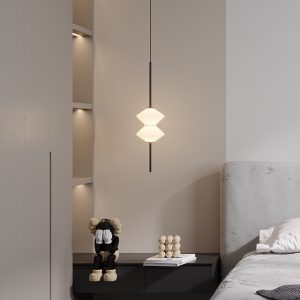
- Adding Drama to Your Decor With a Pendant XL Light
- Adorable Table Lamp for Kids’ Room

- Affordable Solar Garden Lights: A Smart Purchase
- Amber Glass Minimalist Balcony Dining Lighting




Leave a Reply