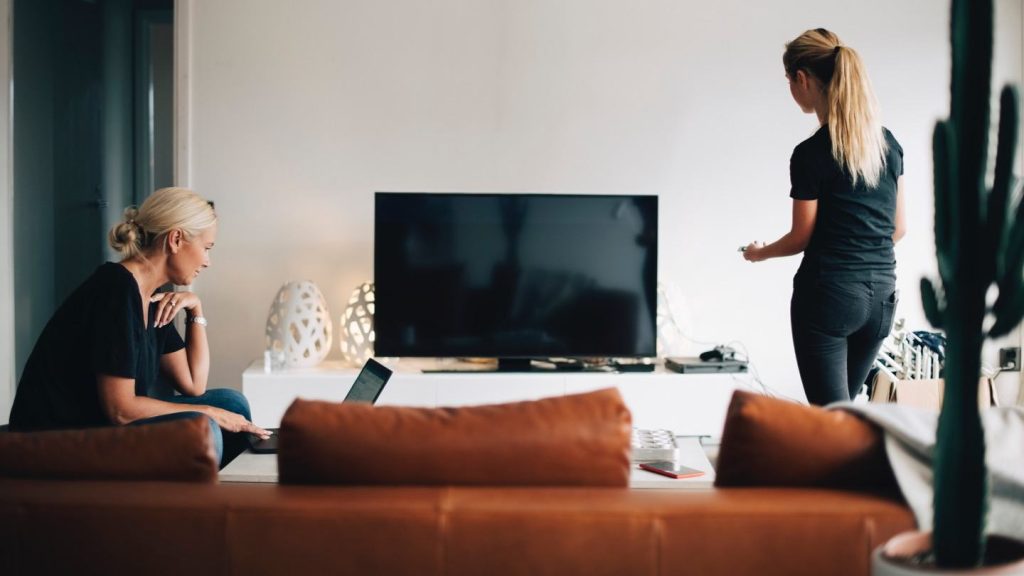
Voice Controlled Cabinet Lighting with Elegant Alabaster Finish
Sure, you can absolutely have voice-controlled cabinet lighting with an elegant alabaster finish. It’s a combination that brings together modern convenience and classic aesthetics, and it’s becoming more accessible than ever. The key is to understand how these two elements – voice control and the alabaster finish – can be integrated effectively into your home.
The Appeal of Voice-Controlled Cabinet Lighting
Voice control for lighting isn’t just a gimmick; it’s genuinely practical. Imagine walking into your kitchen with an armful of groceries, or needing a quick burst of light in a dark pantry, and simply saying, “Lights on,” to illuminate your cabinet interiors. It’s about hands-free convenience, which can be a real game-changer in busy areas of your home. Beyond the convenience, voice control integrates seamlessly with other smart home devices, allowing for more complex automation routines. You could have your cabinet lights turn on automatically when you open a particular cabinet door, or dim to a soft glow when you initiate a “movie night” scene.
Hands-Free Convenience in Daily Life
Think about how often your hands are occupied when you’re interacting with your cabinets. Cooking, cleaning, organizing – these tasks often leave you without a free hand to flip a switch. Voice control eliminates that friction. It’s particularly useful in kitchens, home offices, and even walk-in closets where you might be holding clothes or accessories. This isn’t about laziness; it’s about optimizing your movements and making your home environment more responsive to your needs. For individuals with mobility challenges, voice control offers a significant enhancement to independence and ease of living. It removes the physical barrier of reaching for a switch, making daily tasks much simpler.
Smart Home Integration and Automation
The real power of voice control emerges when it’s integrated into a broader smart home ecosystem. Your cabinet lights can become part of “scenes” or “routines.” For instance, a “morning routine” could gently illuminate your kitchen cabinet interiors as you enter, providing enough light for coffee preparation without being overly bright. A “cooking scene” might turn on all under-cabinet lights to full brightness while also adjusting the main kitchen lights. Most voice control systems (like Amazon Alexa, Google Assistant, or Apple HomeKit) allow you to group lights, set schedules, and even create conditional triggers. This means your cabinet lights aren’t just standalone fixtures; they’re intelligent components of your home’s overall lighting strategy.
Energy Efficiency and Longevity
Modern LED lighting, which is almost exclusively used for cabinet lighting, is inherently energy efficient. Voice control doesn’t directly make the lights more efficient, but it can indirectly contribute to energy savings. By making it easier to turn lights off when they’re not needed – even a simple voice command can be less effort than finding a switch – you’re less likely to leave them on inadvertently. Furthermore, LED lights have a much longer lifespan than traditional incandescent or fluorescent bulbs, often tens of thousands of hours. This means less frequent replacement, which is especially beneficial for lights installed in hard-to-reach places like inside tall cabinets. The combination of low power consumption and long life makes LED cabinet lighting a very sustainable choice.
The Elegance of Alabaster Finish
Now, let’s talk about the alabaster finish. This isn’t just a color; it’s a specific aesthetic that evokes a sense of timeless elegance and subtle luxury. Alabaster, as a material, is a translucent, fine-grained gypsum or calcite. When used as a finish for lighting, it aims to replicate the soft, diffused glow that natural alabaster provides. It’s not about harsh, direct light, but rather a warm, inviting luminescence that enhances the overall ambiance of a space. This makes it an ideal choice for cabinet lighting, where the goal is often to highlight contents or provide accent lighting rather than primary illumination.
Understanding the Alabaster Aesthetic
An “alabaster finish” in lighting typically refers to a diffuser or a shade that mimics the appearance and light diffusion properties of genuine alabaster stone. It’s characterized by its milky white or off-white color, often with subtle, natural-looking veins or swirls. The key characteristic is its translucency, which softens and scatters light beautifully. Instead of a clear, crisp beam, you get a gentle, diffused glow that reduces harsh shadows and glare. This creates a very welcoming and sophisticated atmosphere, making it a popular choice for traditional, transitional, and even some contemporary interior designs seeking a touch of classicism. It avoids the starkness of plain white or clear glass, offering a more organic and luxurious feel.
Why Alabaster Works for Cabinet Lighting
For cabinet lighting, the alabaster finish is particularly effective because it performs several functions simultaneously. Firstly, it prevents the direct glare that can come from exposed LED strips, making the light more comfortable to look at, especially when cabinets are at eye level. Secondly, it diffuses the light evenly, ensuring that the entire cabinet interior is softly illuminated without harsh hotspots or dark corners. This is crucial for showcasing dishware, glassware, or decorative items. Thirdly, the aesthetic itself elevates the look of the cabinets, even when the lights are off. The subtle texture and color add a layer of sophistication, turning practical lighting into a design element. It complements various cabinet finishes, from dark wood to painted white, by adding warmth without clashing.
Complementing Interior Design Styles
The timeless nature of the alabaster finish means it can seamlessly integrate into a wide array of interior design styles. In a traditional kitchen, it enhances the classic charm of solid wood cabinets and intricate details. In a transitional space, it bridges the gap between old and new, adding warmth to cleaner lines. Even in some minimalist or modern designs, a carefully placed alabaster-finished light can act as a soft counterpoint to hard edges and stark materials, preventing the space from feeling too cold or sterile. It’s a versatile choice that doesn’t shout for attention but subtly elevates the overall decor, creating a cohesive and elegant look. Its inherent warmth makes any space feel more inviting and comfortable.
How Voice Control Systems Integrate with Cabinet Lighting
Integrating voice control into your cabinet lighting setup isn’t as complicated as it might sound. It primarily involves choosing compatible smart lighting components and a voice assistant. There are two main approaches: using smart light strips or puck lights that connect directly to your home’s Wi-Fi or a hub, or using smart plugs to control standard non-smart lights. The “alabaster finish” aspect usually refers to a diffuser placed over the light source, which is independent of the smart control mechanism.
Choosing Your Voice Assistant Platform
The first step is deciding which voice assistant platform you want to use. The three big players are Amazon Alexa, Google Assistant, and Apple HomeKit.
Amazon Alexa
Alexa is widely popular and integrates with a vast ecosystem of smart devices. Many smart light strips and puck lights are “Alexa-compatible” right out of the box, meaning you can simply link them to your Alexa app. You’ll need an Echo device (Echo Dot, Echo Show, etc.) to issue voice commands. Setup is generally straightforward, involving connecting the light to power, opening the Alexa app, and asking Alexa to “discover devices.”
Google Assistant
Google Assistant, often found on Google Home or Nest Hub devices, offers similar capabilities to Alexa. It’s known for its natural language processing and integration with Google’s other services. Again, many smart lighting products are “Google Assistant compatible.” The process is similar: power up the light, open the Google Home app, and add a new device.
Apple HomeKit
HomeKit is Apple’s smart home platform. It offers a strong emphasis on privacy and security, and its devices are often identified by a “Works with Apple HomeKit” badge. You’ll need an Apple HomePod, HomePod mini, or an Apple TV (4th generation or later) to act as a home hub for remote access and automation. HomeKit-enabled lights can be controlled via Siri on your iPhone, iPad, or Mac. While the ecosystem might be slightly smaller than Alexa or Google, the integration is often very tight and reliable for those already invested in Apple’s ecosystem.
Selecting Smart Lighting Components
Once you’ve picked your voice assistant, you’ll need the right smart lighting.
Smart LED Strips
These are very popular for cabinet lighting because they are flexible, easy to cut to length, and provide even illumination. Look for Wi-Fi-enabled or Zigbee/Z-Wave compatible strips. Wi-Fi strips connect directly to your home network, while Zigbee/Z-Wave strips require a hub (which might be built into your smart speaker, like an Echo Plus, or a separate hub like a Philips Hue Bridge). Many smart strips offer color-changing capabilities, but for an alabaster finish, you’ll primarily be using warm white tones.
Smart Puck Lights
Puck lights are small, circular lights often used for accent lighting or in situations where strips aren’t ideal. Like strips, they come in Wi-Fi, Zigbee, or Z-Wave versions. Some are battery-powered, which offers more flexibility in placement but requires battery changes. For a more permanent solution, hardwired or plug-in puck lights are preferable.
Smart Dimmers and Switches
If you have existing non-smart cabinet lights that you don’t want to replace, you can still add voice control using smart dimmers or smart switches. These replace your existing wall switches or plug into an outlet and control the power to your lights. Ensure they are compatible with your chosen voice assistant. This option is particularly good if your existing cabinet lights already have the desired alabaster diffuser or aesthetic.
Incorporating Alabaster Diffusers
The “alabaster finish” is typically achieved by adding a diffuser over your chosen LED light source.
Acrylic or Plastic Diffusers
These are the most common and practical choice. They are usually made from frosted or milky white acrylic or polycarbonate designed to mimic the look and light-diffusing properties of alabaster. They come in various forms: channels for LED strips, covers for puck lights, or even integrated into the fixture itself. Look for diffusers with a high light transmission rate that still effectively softens the light. They are lightweight, durable, and easy to clean.
Faux Alabaster Panels
For a more custom or high-end look, you might find or commission panels made from engineered materials that closely resemble natural alabaster. These are typically thicker and more robust than simple plastic diffusers and can be used as fronts for recessed lighting or even as entire illuminated cabinet backings.
Integrated Fixtures
Some manufacturers offer complete LED cabinet lighting fixtures where the alabaster-style diffuser is an integral part of the design. These often provide the most seamless and aesthetically pleasing solution, as the light source and diffuser are designed to work perfectly together.
Installation and Setup Considerations
Once you have your components, the installation and setup process is generally straightforward, but a little planning goes a long way. This isn’t just about sticking lights to a surface; it’s about making them work reliably with your voice commands and look great.
Planning Your Lighting Layout
Before you even unbox anything, decide where exactly you want the light.
Under-Cabinet Lighting
For illuminating countertops, LED strips are usually the best choice, hidden behind a cabinet lip to avoid direct glare. The alabaster diffuser ensures the light hitting your counter is soft and even, reducing harsh reflections on glossy surfaces. Measure accurately and plan for power access.
Inside-Cabinet Lighting
For display cabinets with glass doors, a continuous strip along the top interior or vertical strips along the sides work well. For solid-door cabinets or pantries, a light that comes on when the door opens (via a contact sensor, which can also be smart-enabled) is often ideal. Alabaster diffusers here prevent glaring light from obscuring the contents and provide a more pleasant viewing experience.
Toe-Kick or Accent Lighting
While not strictly “cabinet lighting,” extending the alabaster-finished aesthetic to toe-kicks can create a beautiful ambient glow, especially in kitchens. These are often controlled alongside your main cabinet lighting for a unified look.
Powering Your Lights
This is a critical step, as even smart lights need power.
Hardwired Solutions
For a clean look, consider hardwiring your cabinet lights directly to your home’s electrical system. This usually requires an electrician, but it eliminates visible cords and keeps outlets free. If you’re using smart dimmers or switches, they’ll typically replace existing wall switches that are hardwired.
Plug-In Solutions
Many LED strips and puck lights come with plug-in adapters. This is simpler for DIY installation but means you’ll need available outlets hidden inside or behind cabinets. Consider using smart plugs to control these, especially if the lights themselves aren’t smart-enabled. Ensure the power supply matches the voltage and wattage requirements of your chosen lights.
Battery-Powered Options
While convenient for placement, battery-powered smart lights for cabinets are less common for a permanent setup due to the need for frequent battery changes, especially if used often. They are better suited for infrequently accessed cabinets or temporary installations.
Hiding Wires and Mounting Diffusers
A clean installation is key to maintaining that elegant alabaster aesthetic.
Cable Management
Use cable clips, ties, and wire channels to neatly route power cords. For under-cabinet lighting, tuck wires behind cabinet frames or inside dedicated wire channels. If you’re using plug-in lights, try to conceal transformers and adapters within cabinets or behind appliances. A tidy installation makes the whole setup look professionally done.
Mounting Light Fixtures
LED strips often come with adhesive backing. For a more secure and straight installation, consider using aluminum channels, which also help with heat dissipation and provide a perfect slot for the alabaster diffuser. Puck lights usually mount with screws or strong adhesive pads. Ensure all mounting surfaces are clean and dry for optimal adhesion.
Attaching Diffusers
Most alabaster-style diffusers simply snap or slide into place over the LED light source. If you’re using a channel for an LED strip, the diffuser will typically be part of that channel system. Ensure the diffuser is securely fitted to prevent it from falling or rattling. The goal is a seamless, integrated look where the light source itself is hidden, and only the beautiful diffused glow is visible.
Enhancing the User Experience and Aesthetics
Once your voice-controlled, alabaster-finished cabinet lighting is installed, there are several ways to fine-tune it for an even better experience and to truly elevate your home’s aesthetic. This goes beyond just turning lights on and off; it’s about creating an atmosphere.
Voice Command Customization
Standard commands like “turn on kitchen cabinet lights” are fine, but you can make them more intuitive and personal.
Creating Custom Phrases
Most voice assistants allow you to create custom commands or “routines.” Instead of a generic command, you could set up phrases like:
- “Alexa, bake a cake” – which turns on all kitchen cabinet lights, brightens the main kitchen lights, and maybe even starts a timer.
- “Hey Google, good morning kitchen” – which gradually brightens your cabinet lights to a warm glow, along with other morning settings.
- “Siri, pantry check” – which illuminates the pantry lights for a set amount of time.
This makes interaction feel more natural and integrated into your daily habits, rather than just controlling a device.
Grouping Lights for Unified Control
If you have multiple sections of cabinet lighting (e.g., upper cabinets, lower cabinets, island cabinets), group them logically within your voice assistant app. You could have a “kitchen cabinet lights” group that controls everything, or separate groups like “upper kitchen lights” and “lower kitchen lights” for more granular control. This allows you to control multiple lights with a single command, simplifying your smart home experience.
Optimizing Light Color and Brightness
The alabaster finish softens and warms the light, but you can still optimize the underlying LED’s settings.
Warm White Tones
For the most authentic alabaster effect and a truly elegant ambiance, stick to warm white LED tones (typically 2700K-3000K). This mimics the glow of traditional incandescent bulbs and complements the warm, natural feel of alabaster. Avoid very cool white or blue-toned LEDs, as they can counteract the desired warmth.
Dimmability for Ambiance
Ensure your smart lights or smart dimmer switches are capable of smooth dimming. The ability to adjust brightness is crucial for setting the right mood. Full brightness is great for task lighting when cooking, but a soft, dimmed glow is perfect for an evening ambiance or as a subtle night light. Voice control makes dimming incredibly easy – “dim kitchen cabinets to 30%” or “brighten upper cabinets.”
Integrating with Sensors and Routines
Beyond direct voice commands, smart home routines can automate your cabinet lighting to respond to events.
Motion Sensors
For walk-in pantries, closets, or even under-cabinet lighting in a bathroom, motion sensors can be invaluable. When motion is detected, the lights can automatically turn on (perhaps at a dimmed level at night) and then turn off after a set period of inactivity. This is especially useful for hands-free access in areas where you might only need light for a short time.
Door/Contact Sensors
For inside-cabinet lighting, a contact sensor on the cabinet door can trigger the lights to turn on when the door is opened and off when it’s closed. This provides instant illumination exactly when and where you need it, and ensures lights aren’t left on unnecessarily. This is a very elegant solution for display cabinets or storage.
Time-Based Routines
Set your cabinet lights to dim to a low, warm glow after sunset, providing a subtle accent in your kitchen or living area. Or, have them turn on briefly in the morning as part of your “wake up” routine. These time-based automations add a layer of sophistication and convenience, making your home feel more responsive and intelligent.
Maintenance and Troubleshooting Tips
Even the most elegant and technologically advanced lighting setup will occasionally need a little attention. A few simple maintenance practices and troubleshooting steps can keep your voice-controlled, alabaster-finished cabinet lighting working beautifully for years.
Keeping Diffusers Clean
The alabaster finish’s beauty relies on its ability to diffuse light evenly. Dirt, dust, and grease can impede this.
Regular Dusting
Periodically dust your alabaster diffusers with a soft, dry cloth or a microfiber duster. This prevents a build-up that can dull the light and make the finish appear less appealing.
Gentle Cleaning for Grime
For kitchens especially, grease and grime can accumulate. Use a very mild soap solution (a drop of dish soap in warm water) and a soft cloth to gently wipe down the diffusers. Avoid harsh abrasive cleaners or chemical sprays, as these can damage the finish or cause discoloration over time, especially if the diffuser is plastic. Always ensure the lights are off and cool before cleaning. Dry thoroughly with a clean, dry cloth to prevent water spots.
Addressing Connectivity Issues
Smart lights rely on your home network and smart assistant. Connectivity problems are often the most common issues.
Check Wi-Fi Connection
Most smart devices need a stable Wi-Fi connection. If your lights aren’t responding, first check your home Wi-Fi. Is your router working? Are other devices connected? Sometimes a simple router reboot can resolve network issues.
Verify Power Supply
Ensure the lights are receiving power. Check the wall switch (if applicable), the outlet, and any power adapters. A loose plug or a tripped breaker can cause a loss of power.
Restart the Smart Light
Often, a smart light just needs a soft reset. Unplug it for about 10-15 seconds, then plug it back in. For hardwired lights, turn the circuit breaker off and on again. This can clear temporary software glitches.
Check Smart Assistant App and Account
Open your Alexa, Google Home, or HomeKit app. Do the lights show as “offline”? Is your smart assistant account still linked correctly? Sometimes an app update or a change in account settings can affect device connectivity. You may need to relink the device within the app.
Router Proximity and Interference
If your lights are far from your Wi-Fi router or if there are many obstacles (thick walls, appliances) between them, signal strength can be an issue. Consider a Wi-Fi extender or mesh system to improve coverage. Also, other electronics operating on the same frequency (2.4GHz) can cause interference.
Troubleshooting Voice Assistant Problems
If the lights are on but not responding to your voice, the issue might be with your smart assistant.
Speak Clearly and Naturally
Ensure you’re speaking your commands clearly and at a normal pace, from a reasonable distance to your smart speaker.
Verify Device Name
Check the name of your cabinet lights in your smart assistant app. Are you using the exact name in your commands? For example, if it’s named “Kitchen Cabinets,” saying “turn on the kitchen lights” might not work if you have other “kitchen lights” defined.
Check Smart Speaker Microphone
Make sure your smart speaker’s microphone isn’t muted or blocked. Some speakers have a physical mute button or a specific indicator light.
Re-sync Devices
In your smart assistant app, there’s usually an option to “discover devices” or “sync devices.” Running this function can sometimes resolve issues where the assistant isn’t communicating properly with the smart lights.
Update Firmware and Software
Ensure your smart lights, smart plugs, and smart speaker all have the latest firmware and software updates. Manufacturers often release updates that improve performance, add features, and fix bugs. Check your device apps for update notifications.
By keeping these practical tips in mind, you can ensure that your voice-controlled, alabaster-finished cabinet lighting remains a delightful and elegant feature in your home, providing both convenience and beauty for years to come.

Hot Posts
- 10 Stunning Bedroom Design Ideas to Transform Your Sleep Space
- 5Funky Kitchen Gadgets to Keep Your Home Cooking Delicious

- A Home Garden For All Seasons

- Add Warmth and Style to Your Home with a Wooden Pendant Lamp
- Adding Drama to Your Decor With a Pendant XL Light
- Adorable Table Lamp for Kids’ Room

- Affordable Solar Garden Lights: A Smart Purchase
- Amber Glass Minimalist Balcony Dining Lighting